What to Look fo When Buying Safety Gear for Your Crew”
12/25/20252 min read
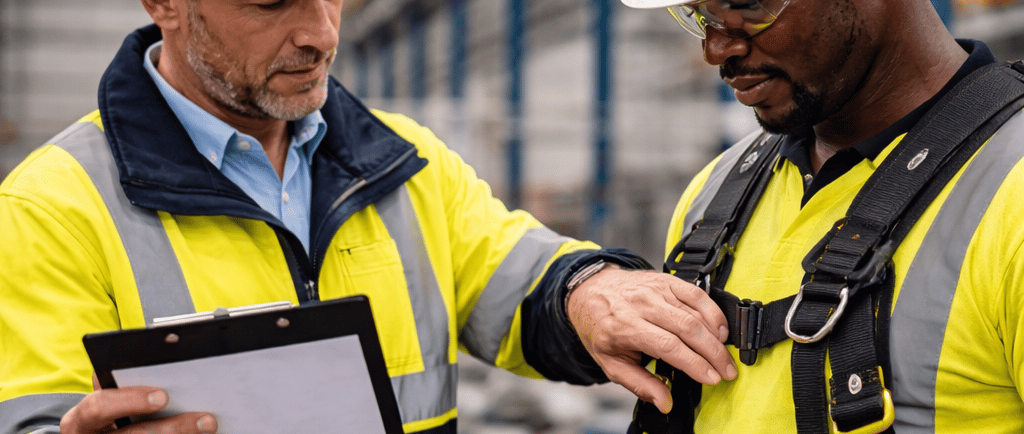
Buying safety gear for a crew isn’t about checking boxes or finding the lowest quote.
It’s about responsibility.
Every helmet, harness, boot, and lanyard you approve becomes part of a system that determines whether someone goes home safely at the end of the day.
At Turtel Armor™, we believe the right safety gear decision balances protection, performance, and real-world durability. Below is a practical, field-informed guide to what actually matters when buying safety gear for your team.
1. Compliance Is the Minimum — Not the Goal
Yes, safety gear must meet required standards. That’s non-negotiable.
But compliance alone doesn’t guarantee:
Comfort over long shifts
Durability in harsh environments
Proper real-world performance
Many products are technically compliant but fail quickly under daily use.
Ask yourself:
Is this gear designed to pass a test — or to perform every day?
2. Fit and Adjustability Matter More Than You Think
Poorly fitting safety gear is one of the leading causes of misuse.
If gear is uncomfortable or restrictive, workers will:
Wear it incorrectly
Modify it
Avoid using it when they shouldn’t
Look for:
Multiple size ranges
Easy-to-adjust straps and buckles
Designs that accommodate different body types
PPE that works with gloves and workwear
Gear that fits properly gets worn properly.
3. Durability in Your Actual Work Environment
Not all job sites are the same.
When evaluating safety gear, consider:
Heat and humidity
Salt air and corrosion
Dust, oil, and debris
Long shifts and repeated use
Low-grade materials may look fine initially but break down quickly in demanding environments — especially coastal and tropical regions.
Durable gear reduces replacement costs and unexpected failures.
4. Fatigue Reduction Is a Safety Feature
Fatigue increases risk. Period.
Heavy boots, stiff harnesses, and poorly balanced PPE wear workers down over time, leading to:
Slower reaction times
Reduced focus
Higher likelihood of mistakes
Modern safety gear should:
Be lightweight where possible
Distribute load evenly
Allow natural movement
Comfort isn’t a luxury — it’s a safety factor.
5. System Compatibility Is Critical
Safety gear works as a system, not as isolated products.
Before purchasing, confirm:
Harnesses, lanyards, and connectors are designed to work together
Anchor points align correctly
Components are rated for combined use
No part forces unsafe improvisation
Mixing incompatible gear introduces risk — even if each item is compliant on its own.
6. Ease of Inspection and Maintenance
Gear that’s difficult to inspect doesn’t get inspected properly.
Good safety equipment should:
Show wear clearly
Have accessible hardware
Include inspection guidelines
Withstand regular cleaning
This makes daily checks faster and more reliable — especially for supervisors managing multiple crews.
7. Proven Field Testing — Not Just Marketing Claims
Some products are designed in boardrooms. Others are shaped in the field.
Ask suppliers:
Who tested this gear?
In what conditions?
Was real technician feedback used?
Has it gone through multiple design iterations?
Field-tested gear consistently outperforms gear designed only for catalogs.
8. Supplier Support and Accountability
Buying safety gear isn’t a one-time transaction.
Strong suppliers provide:
Product education and training
Clear usage guidance
Replacement and support options
Accountability when questions arise
A supplier that understands safety culture becomes a long-term partner — not just a vendor.
Why This Matters More Than Price
Cheap gear may reduce upfront costs.
But it often increases:
Replacement frequency
Fatigue-related incidents
Downtime
Injury risk
The true cost of safety gear isn’t what’s on the invoice.
It’s the outcome it delivers over time.
The Turtel Armor™ Approach
At Turtel Armor™, our safety gear is developed with direct input from the professionals who rely on it every day — telecom technicians, linemen, construction crews, and utility workers.
We focus on:
Real-world durability
Proper fit and comfort
Performance under harsh conditions
Gear that workers trust, not fight against
Because safety decisions affect more than job sites.
They affect families.
Final Thought
When buying safety gear for your crew, don’t ask:
“Is this the cheapest option?”
Ask:
“Would I trust this gear with someone I care about?”
That question changes everything.
Built to protect the breadwinners that build our world.
Turtel Armor
Built to protect the breadwinners that build our world.
Contact
Newsletter
info@turtelarmor.com
1-1876-555-1234
© 2025. All rights reserved.